
Slip and Fall on Snow and Ice: Who Is Liable in 2026?
Injured on ice? Understand slip and fall on snow and ice who is liable and protect your claim. Call (833)-248-4565 for a free confidential review.

By Paula Cruz
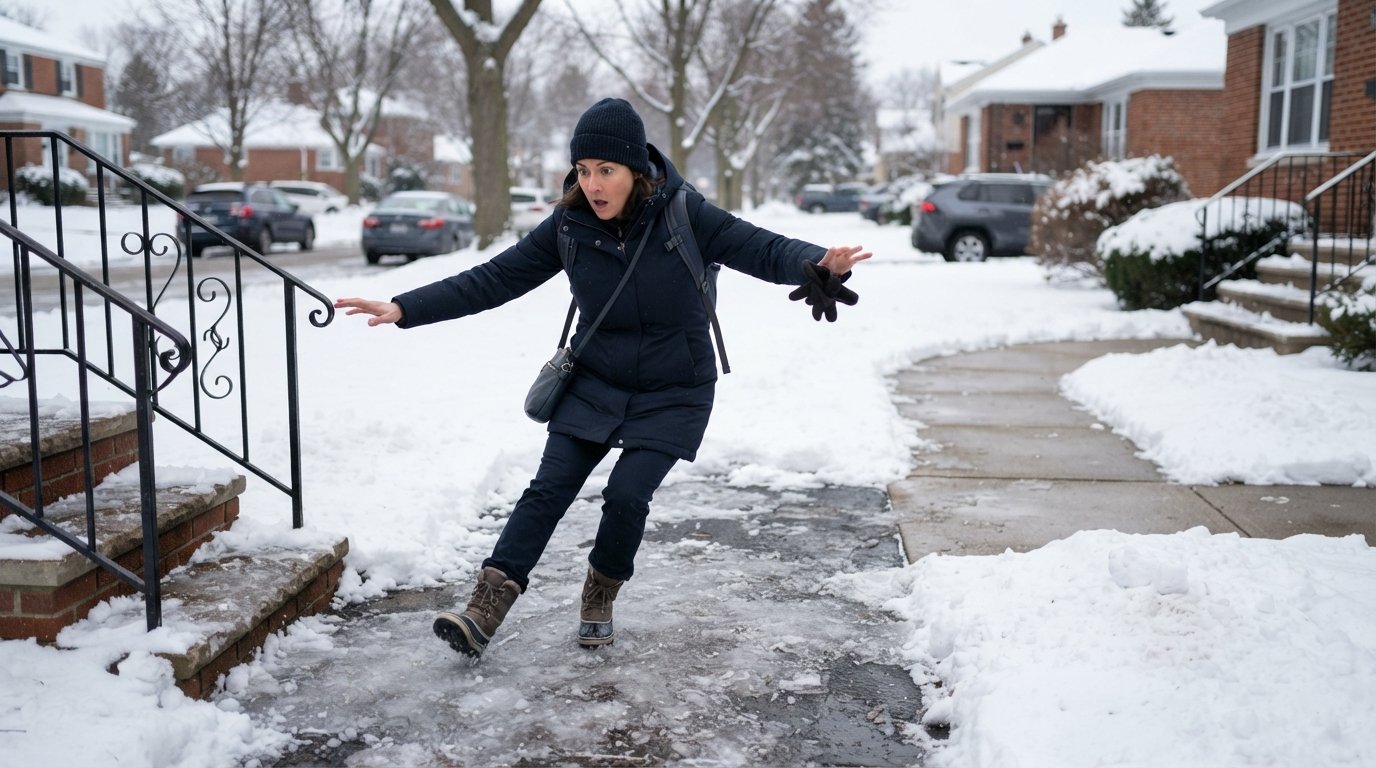
You step onto a sidewalk dusted with fresh snow, your foot slides, and you land hard on your back. The pain is immediate, but so is the question: who pays for this? Slip and fall on snow and ice who is liable is a common and complicated legal question, and the answer depends on where you were, how long the ice had been there, and what the property owner knew or should have known. This guide breaks down the rules that determine liability, the evidence that matters most, and the steps you should take right now to protect a potential claim.
Premises Liability Basics for Snow and Ice
Premises liability is the area of law that holds property owners responsible for injuries that happen on their property due to unsafe conditions. When it comes to snow and ice, the general rule is that owners and occupiers have a duty to keep their premises reasonably safe for people who are lawfully there. That duty does not mean every patch of ice must be perfect at all times. Instead, courts look at whether the owner acted reasonably given the circumstances, including the weather, the foreseeability of the hazard, and the resources available to address it.
The specific legal standard varies by state. Some states follow a rule that property owners must remove natural accumulations of snow and ice within a reasonable time after a storm ends. Others follow the "natural accumulation rule," which holds that owners are not liable for injuries caused by natural accumulations of snow and ice unless there is some additional hazard, like a hidden defect or an unnatural condition. A few states use a "Connecticut rule" or similar approach that imposes a duty to remove snow and ice from common areas like sidewalks and parking lots. Understanding which rule applies in your state is the first step in evaluating a slip and fall on snow and ice who is liable claim.
It is also important to distinguish between different types of visitors. Invitees, such as customers in a store or tenants in an apartment building, are owed the highest duty of care. Licensees, such as social guests, are owed a slightly lower duty. Trespassers are generally owed the lowest duty, though even they cannot be willfully injured. If you were injured while walking through a parking lot, entering a business, or visiting a friend's home, your legal status affects the strength of your claim.
Natural vs. Unnatural Accumulation: The Key Distinction
One of the most important concepts in snow and ice injury cases is the difference between natural and unnatural accumulation. Natural accumulation refers to snow or ice that has fallen or formed naturally and has not been altered by human activity. Unnatural accumulation refers to snow or ice that has been piled, pushed, or otherwise altered by a person, often during snow removal efforts. This distinction matters because many states treat natural accumulations differently from unnatural ones.
In states that follow the natural accumulation rule, a property owner may not be liable for injuries caused by snow that fell overnight and had not yet been cleared. However, if the owner plowed snow into a pile that later melted and refroze into a dangerous sheet of ice, that is an unnatural accumulation, and the owner may be held liable. Similarly, if a downspout directs water onto a sidewalk where it freezes, that is an unnatural condition that can create liability. The key is whether the owner's actions or the property's design created or worsened the hazard.
Here are some examples that illustrate the difference:
- Natural accumulation: A fresh snowfall covers a store parking lot, and a customer slips before the plow arrives. In many states, the store may not be liable because the snow was natural and the storm had just ended.
- Unnatural accumulation: A store plows snow into a large pile near the entrance. The pile melts during the day and refreezes overnight, creating a sheet of black ice on the sidewalk. The store may be liable because its snow removal created the hazard.
- Unnatural condition: A property has a broken gutter that drips water onto a walkway, which freezes into ice. Even if no snow has fallen recently, the owner may be liable because the property's defective condition caused the ice.
If you are unsure whether the ice that caused your fall was natural or unnatural, document everything you can. Photographs of the scene, including the surrounding snow piles, drainage patterns, and any signs of plowing or shoveling, can be critical evidence. Witness statements and weather reports can also help establish whether the hazard was natural or created by the property owner.
Timing Matters: How Long Did the Hazard Exist?
Even in states that require property owners to clear snow and ice, the owner is usually entitled to a reasonable amount of time after a storm ends to do the work. What counts as reasonable depends on the circumstances, including the size of the property, the severity of the storm, and the availability of snow removal services. If you slip on ice that formed minutes after a storm ended, the owner may not be liable. If the ice had been there for days and the owner had ample opportunity to clear it, liability is more likely.
This is why establishing a timeline is essential. You should try to determine when the snow or ice first appeared, whether there had been previous complaints, and whether the owner had notice of the condition. Notice can be actual (the owner knew about it) or constructive (the owner should have known about it because the condition existed for a long enough time). In many cases, constructive notice is the key issue. A property owner cannot simply ignore a hazard and claim they did not know about it if the hazard was obvious and had been present for hours or days.
Weather records can be powerful evidence. If you can show that the temperature had been below freezing for several days and that the ice was present on the morning of your fall, you can argue that the owner had plenty of time to address the hazard. Conversely, if a sudden freeze occurred overnight and you fell early the next morning, the owner may have a stronger defense. Insurance companies and courts look closely at these timelines when evaluating slip and fall on snow and ice who is liable claims.
Documenting Conditions Before They Change
Snow and ice evidence disappears quickly. Temperatures rise, plows come through, and the scene changes. If you are injured in a slip and fall on snow or ice, your ability to recover compensation may depend on how well you document the conditions immediately after the accident. The following steps can help preserve critical evidence:
- Take photographs and videos: Capture the exact spot where you fell, the surrounding snow and ice, any piles of plowed snow, and the condition of the walkway. If there were no warning signs or barriers, photograph that as well. Take wide shots to show the context and close-ups to show the texture of the ice.
- Note the time and weather: Record the date, time, and weather conditions at the moment of your fall. Check local weather reports for the days leading up to the accident to establish how long the ice may have been there.
- Identify witnesses: Ask anyone who saw the fall for their name and contact information. Witnesses can confirm that the ice was present and that no warnings were posted.
- Report the incident: If you fell on commercial property, report the fall to the manager or owner and ask for a copy of the incident report. If you fell on public property, report it to the appropriate agency.
- Seek medical attention: Even if you feel fine, see a doctor. Some injuries, like back or neck injuries, do not show symptoms immediately. Medical records also create a link between the fall and your injuries.
After you have documented the scene, keep your records organized. Do not post about the accident on social media, and do not give a recorded statement to an insurance adjuster without consulting an attorney. Insurance companies often look for ways to minimize claims, and early statements can be used against you.
Who Can Be Held Liable?
Liability for a slip and fall on snow and ice can fall on several different parties, depending on the circumstances. The most common defendants include:
- Property owners: The owner of the property, whether residential or commercial, generally has a duty to maintain safe conditions. This includes clearing snow and ice from walkways, parking lots, and entrances.
- Tenants and occupiers: In some cases, the tenant who occupies the property is responsible for snow and ice removal, especially in commercial leases where the tenant has agreed to maintain the premises.
- Property management companies: If a management company is responsible for maintenance, it may share liability for failing to clear snow and ice.
- Snow removal contractors: If a contractor was hired to remove snow and did so negligently, the contractor may be liable. However, proving contractor liability can be complex, and the property owner may still bear some responsibility.
- Government entities: If you fell on a public sidewalk or in a government-owned parking lot, you may have a claim against the municipality or state. These claims often have shorter deadlines and require special notice.
Determining who is liable requires a careful review of the facts, including who was responsible for maintenance, whether there was a contract for snow removal, and whether the hazard was natural or unnatural. An experienced personal injury attorney can help you identify all potentially liable parties and pursue the appropriate claims.
Comparative Fault and Your Recovery
Many states follow a comparative fault rule, which means your recovery can be reduced if you were partially at fault for your own injuries. For example, if you were wearing inappropriate footwear, were running, or were looking at your phone when you fell, the insurance company may argue that you contributed to the accident. In states that follow pure comparative fault, you can still recover damages even if you were mostly at fault, but your award will be reduced by your percentage of fault. In states that follow modified comparative fault, you may be barred from recovery if you were 50% or 51% at fault, depending on the state.
This is why it is important to be honest about the circumstances of your fall but also to avoid accepting blame prematurely. Insurance adjusters may try to get you to admit fault so they can reduce or deny your claim. An attorney can help you present your case in a way that minimizes your perceived fault and maximizes your recovery.
Steps to Take After a Slip and Fall on Snow and Ice
If you have been injured in a slip and fall on snow or ice, the steps you take in the days and weeks following the accident can significantly affect your ability to recover compensation. Here is a practical checklist:
- Get medical help immediately: Your health is the top priority. Even if you think you are fine, see a doctor to rule out serious injuries.
- Document the scene: Take photos and videos, note the time and weather, and collect witness information.
- Report the incident: Notify the property owner or manager and request a copy of any incident report.
- Keep your records: Save medical bills, receipts, and any correspondence related to the accident.
- Consult an attorney: A personal injury attorney can evaluate your case, explain your rights, and help you decide whether to pursue a claim.
Many personal injury attorneys work on a contingency fee basis, which means you do not pay upfront and the attorney only gets paid if you recover compensation. This makes it possible to get legal help even if you are worried about costs. If you are looking for an affordable way to explore your options, services like GoFreeLegal connect people with attorneys and legal professionals at no cost. Similarly, CheapInjuryLawyer.com offers a free, confidential case review and attorney-matching service for people injured in slip and falls and other accidents. You can share a few details about your situation and get connected with participating attorneys, with no obligation to hire.
When to Contact a Lawyer
Not every slip and fall on snow and ice requires a lawyer. If you slipped on a patch of ice, were not seriously injured, and the property owner promptly addressed the hazard, you may be able to resolve the matter through the owner's insurance company. However, you should consider contacting a lawyer if any of the following apply:
- You suffered a serious injury, such as a broken bone, head injury, or back injury.
- The property owner denies responsibility or blames you for the fall.
- The insurance company makes a low settlement offer or refuses to pay.
- You are unsure whether the ice was natural or unnatural.
- You fell on public property, which may involve complex notice requirements.
- You have missed work or incurred significant medical bills.
A lawyer can investigate the accident, gather evidence, interview witnesses, and negotiate with the insurance company on your behalf. They can also help you understand the statute of limitations in your state, which is the deadline for filing a lawsuit. If you miss the deadline, you may lose your right to recover compensation entirely.
How CheapInjuryLawyer.com Can Help
CheapInjuryLawyer.com is a free personal injury case review and attorney-matching service for people in the United States who were hurt in car accidents, truck crashes, slip and falls, workplace incidents, and other injuries. It is not a law firm and does not provide legal advice, but it can connect you with participating personal injury attorneys who may be able to help. The process is simple: you share a few details about your situation, and the service matches you with attorneys who handle cases like yours. Your evaluation is confidential, and there is no obligation to hire anyone.
If you are wondering slip and fall on snow and ice who is liable, the best way to get answers is to speak with an attorney who understands the laws in your state. Whether the property owner is liable depends on a range of factors, including the natural accumulation rule, the timing of the storm, and whether the owner had notice of the hazard. An attorney can review the facts of your case and help you decide on the best course of action. You can request a free, confidential injury case review through CheapInjuryLawyer.com and get connected with participating attorneys in your area.
Slip and fall cases involving snow and ice are rarely straightforward. The law varies by state, the facts matter enormously, and insurance companies are often quick to deny or minimize claims. By documenting the scene, seeking medical attention, and understanding the legal standards that apply, you can protect your rights and improve your chances of recovering the compensation you deserve. If you are unsure about your next steps, consider reaching out to a personal injury attorney for a free consultation. The sooner you act, the better your chances of preserving evidence and meeting important deadlines.